Small businesses face tough competition every single day. Big brands have big budgets. But small businesses have something powerful too — the internet. Digital Marketing for Small Business levels the playing field. It gives every small shop, startup, and local service provider the same tools that large companies use to grow.
In this blog, we explain why digital marketing matters so much in 2026, and how it helps small businesses grow faster than ever before.
What Does Digital Marketing Mean for Small Businesses?
Digital marketing means promoting your business online. It includes your website, social media, search engines, emails, and paid ads. Instead of only relying on word of mouth or local flyers, you reach customers wherever they spend their time — on Google, Instagram, YouTube, or WhatsApp.
Digital Marketing for Small Business isn’t just an option anymore. It’s a necessity. Customers search online before they buy almost anything. If your business doesn’t show up, you lose that sale to a competitor who does show up.
Why Digital Marketing Matters So Much in 2026
- Customers live online. People spend hours every day on their phones. They search, scroll, and shop from their screens. Your business needs to be there too.
- It costs less than traditional advertising. A newspaper ad or a billboard costs a lot of money and reaches people once. Digital marketing costs less and keeps working for weeks or months.
- It reaches the right audience. You don’t waste money showing your ad to everyone. You show it only to people who actually want what you sell.
- It builds trust with your audience. A strong online presence — good reviews, active social media, and a clean website — makes customers trust you before they even walk into your store.
- It gives you real data. You see exactly how many people saw your ad, clicked on it, and bought your product. Traditional marketing never gives you numbers like this.
- It helps you compete with bigger brands. A small business with smart digital marketing can outrank a big brand that ignores its online presence.
Key Benefits of Digital Marketing for Small Business
This kind of marketing brings real, measurable growth. Here’s how it helps:
- More visibility. Your business shows up when people search for what you sell, even if you don’t have a big brand name yet.
- Higher sales. More visibility means more customers, and more customers mean more sales.
- Stronger customer relationships. You talk directly to your customers through social media and email, and you build loyalty over time.
- Better targeting. You choose exactly who sees your ads — by location, age, interest, or behavior.
- Faster results. Unlike traditional marketing, you see results within days or weeks, not months.
- Long-term growth. A strong website and good content keep bringing customers even after you stop spending extra money on ads.
Main Types of Digital Marketing Every Small Business Should Use
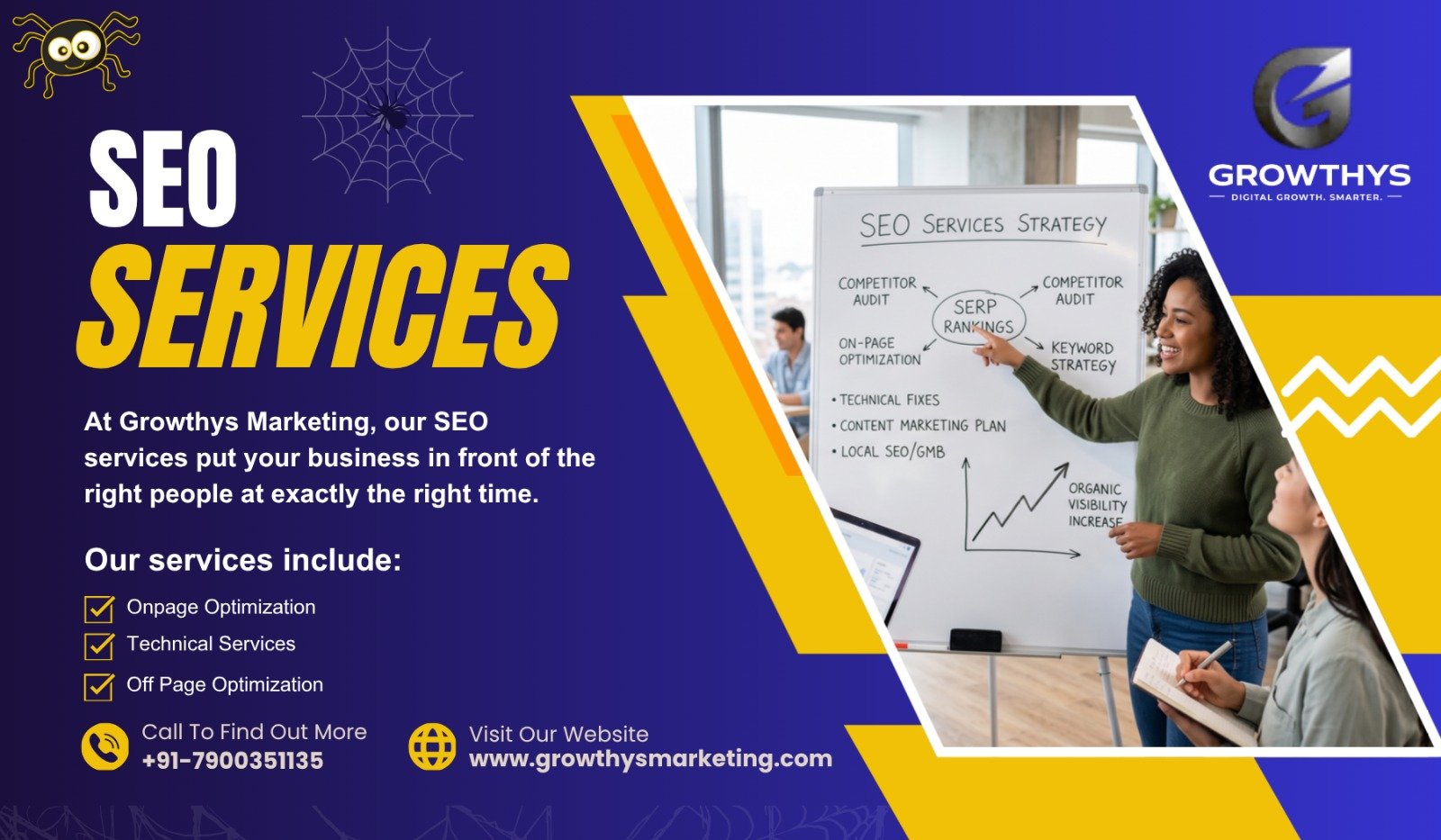
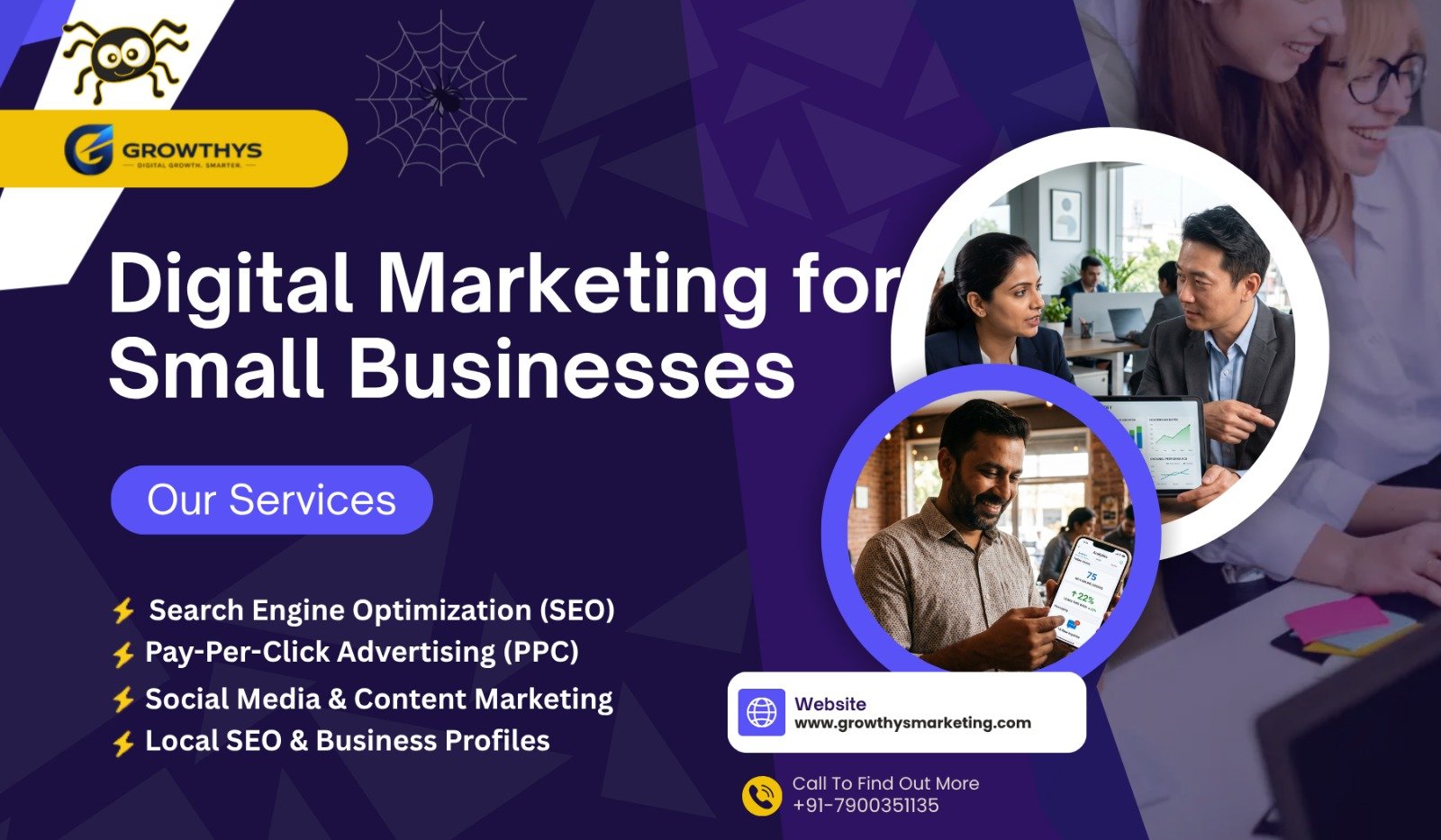
- Search Engine Optimization (SEO) — This helps your website rank higher on Google, so customers find you when they search.
- Social Media Marketing — This builds your brand on platforms like Instagram, Facebook, and LinkedIn, where your customers already spend time.
- Pay-Per-Click Advertising (PPC) — This puts your business at the top of search results instantly, and you only pay when someone clicks.
- Content Marketing — This means blogs, videos, and guides that answer your customers’ questions and build trust.
- Email Marketing — This keeps your existing customers engaged and brings them back for repeat purchases.
- Local SEO — This helps nearby customers find your store or service on Google Maps and local search results.
- Website Optimization — A fast, clean, mobile-friendly website turns visitors into paying customers.
How Small Businesses Can Start Their Digital Marketing Journey
- Build a strong website. Your website is your digital storefront. Make it fast, clear, and easy to use.
- Claim your Google Business Profile. This helps local customers find you and trust you through reviews and ratings.
- Pick two or three social platforms. Don’t try to be everywhere. Focus on where your customers actually spend their time.
- Create helpful content. Answer your customers’ common questions through blogs, posts, or short videos.
- Run small, targeted ads. Start with a small budget and test what works before you scale up.
- Track your results. Use free tools like Google Analytics to see what’s working and what isn’t.
- Stay consistent. Digital marketing takes time. Small, steady efforts beat one big push that stops after a month.
Why 2026 Is the Right Time to Invest in Digital Marketing
More people shop online than ever before. Search engines and social platforms now use AI to show even smarter, more personal results to users. Small businesses that adapt early gain an advantage over the ones that wait. Digital Marketing for Small Business isn’t a trend anymore — it’s how modern businesses survive and grow.
Businesses that invest now build strong online foundations. They earn customer trust, gain visibility, and grow steadily, year after year. Businesses that wait risk falling behind competitors who already show up first in search results and social feeds.
Final Thoughts
Digital Marketing for Small Business gives every small business owner a real chance to compete, grow, and succeed — without needing a massive budget. It builds visibility, trust, and long-term customer relationships. In 2026, the businesses that grow the fastest will be the ones that take digital marketing seriously today.
Start small, stay consistent, and watch your business grow.
Frequently Asked Questions
1. What does this term mean for a small business? It means promoting your small business online through channels like websites, social media, search engines, and email, instead of relying only on traditional methods like flyers or newspaper ads.
2. Why do small businesses need digital marketing in 2026? Most customers search online before they buy anything. If a small business doesn’t appear online, it loses those customers to competitors who do.
3. Is digital marketing expensive for small businesses? No. Digital marketing usually costs much less than traditional advertising, and small businesses can start with a very small budget and scale up as they see results.
4. Which digital marketing method works best for small businesses? SEO and social media marketing usually work best for small businesses because they build long-term visibility without needing a huge daily ad spend. The right mix depends on the business type and audience.
5. How long does it take to see results from digital marketing? Paid ads can bring results within days. SEO and content marketing usually take a few months to show strong, lasting results.
6. Can a small business handle digital marketing without an agency? Yes, small businesses can start on their own using free tools like Google Business Profile and social media pages. But an agency helps save time and often delivers faster, more consistent results.
7. What is the difference between SEO and paid ads? SEO brings free, organic traffic over time by improving your website’s ranking. Paid ads bring instant traffic, but the traffic stops once you stop paying.
8. How does social media help a small business grow? Social media helps small businesses connect directly with customers, build trust, and showcase their products or services in a way that feels personal and authentic.
9. Do small businesses need a website for digital marketing? Yes. A website acts as your digital storefront. It gives customers a place to learn about your business, view your products, and contact you at any time.
10. What is local SEO and why does it matter for small businesses? Local SEO helps a business show up in searches from nearby customers, such as “shop near me.” It’s especially important for small businesses that serve a specific city or area.
11. How much time should a small business spend on digital marketing every week? Even two to three hours a week can create steady progress, as long as the business stays consistent with posting, engaging, and tracking results.